Planning Your First Vegetable Garden
How to plan your first vegetable garden — choosing a site, sizing beds, reading your zone, and mapping a planting plan that actually works.
A well-planned garden saves water, time, and disappointment. A little measuring and thinking in late winter pays off all summer. Here is how to plan your first vegetable garden from scratch.
Choose your site
Vegetables need sun — most want six to eight hours of direct light. Watch your yard across a day and mark the sunniest patch. Avoid low spots where frost settles and water pools.
Decide your bed style
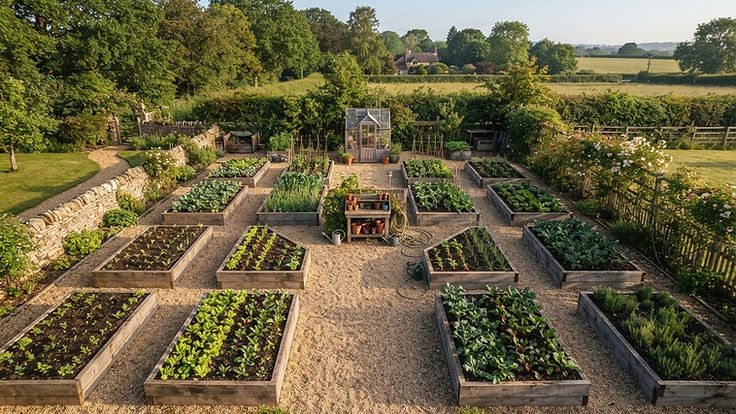
Raised beds warm earlier in spring, drain well, and are easier to weed. A 4×8 foot bed is a manageable size for a beginner. Build them no wider than four feet so you can reach the center from either side without stepping on the soil.
Know your zone
Find your USDA hardiness zone and your last spring frost date. These two numbers tell you what you can grow and when to plant it. Local extension offices publish planting calendars tuned to your county.
Make a simple planting plan
List what you actually like to eat, then sort them into groups:
- Cool-season crops (plant early spring and fall): lettuce, spinach, peas, radishes, kale
- Warm-season crops (plant after frost): tomatoes, peppers, squash, beans, cucumbers
Sketch your beds on paper and assign crops. Leave room for succession planting — once the lettuce bolts in summer heat, replace it with beans or a fall crop.
Space for the harvest, not the seedling
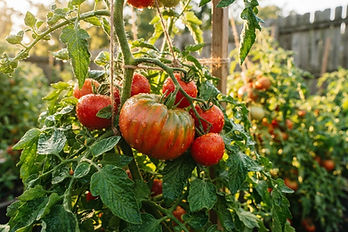
A tomato seedling is six inches tall; a mature plant is three feet across. Follow spacing on the seed packet. Overcrowding is the most common beginner mistake and the easiest to avoid.
Plan your paths
Leave at least 18 inches between beds for a wheelbarrow and your knees. Grass paths are fine; wood chips or straw keep weeds down and stay soft after rain.
Start a garden notebook
Record varieties, planting dates, and harvest notes. By year three you will know exactly which tomato to grow again and which to skip.
Planning is the unglamorous half of gardening, but it is the half that makes the other half work.