Fall Gardening Tips for Beginners
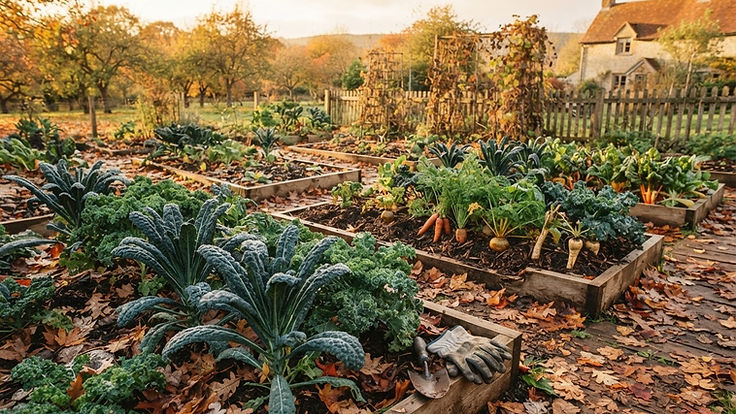
Fall is the best-kept secret of the garden. With a little planning and some row cover, you can harvest sweet crops well into winter.
Fall is the best-kept secret of the garden. The air cools, pests retreat, and many crops turn sweeter after a light frost. With a little planning, you can harvest into winter.
Plant a second season
Many spring crops thrive again in fall. Sow lettuce, spinach, arugula, radishes, and kale six to eight weeks before your first frost date. The shorter, cooler days slow growth, so plant a little thicker than in spring and thin as you go.
Use the frost to your advantage
Kale, carrots, and parsnips get sweeter after frost — cold converts their starches to sugars. A light frost is not the end of the season; it is the start of the best-tasting harvest.
Protect what is tender
Floating row cover is the homesteader's secret weapon in fall. Draped over a bed, it holds in heat and blocks wind, buying you two to four weeks of extra growing. For taller crops, a low tunnel of PVC and clear plastic works the same way.
Clean up to prevent disease
Remove spent plants and fallen fruit at the end of the season. Many diseases overwinter on plant debris. A clean bed in November means fewer problems in May.
Plant garlic before the ground freezes
Garlic is planted in fall, sleeps through winter, and is harvested the next summer. Break a head into cloves and plant them point-up, two inches deep and six inches apart, a few weeks before the ground freezes. Mulch heavily with straw.
Feed the soil for next year
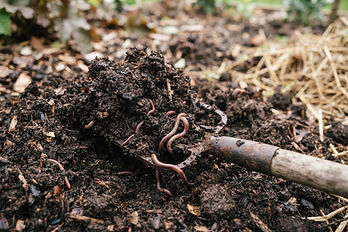
Fall is the time to build soil. Add compost to empty beds and sow a cover crop like winter rye or clover. A living root through winter prevents erosion and feeds the soil biology that grows next year's vegetables.
Extend with a cold frame
A simple cold frame — a bottomless box with a glass or clear lid — turns a sunny corner into a winter salad garden. Open the lid on warm days and close it before nightfall.
Fall gardening rewards the grower who keeps going after the tomatoes are gone. The harvest is quieter, and often better.