How to Start a Small Homestead
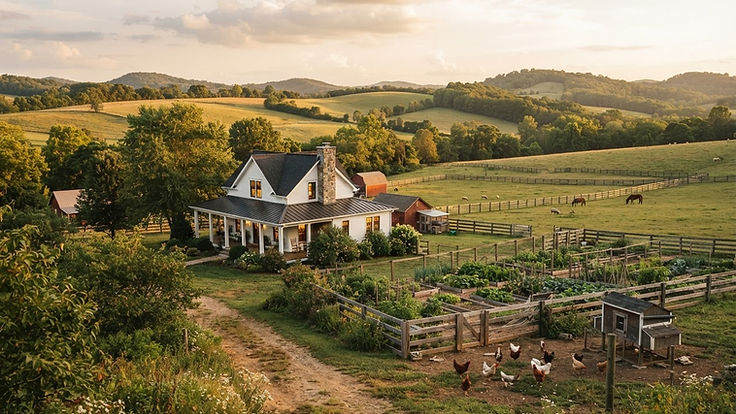
A practical first-year guide to starting a homestead on whatever land you have — from one raised bed to a few laying hens.
Starting a homestead is less about land and more about direction. You do not need forty acres to begin; you need a clear sense of what you want to produce and the patience to build it one season at a time. This guide walks through the practical first steps.
Begin with what you have
Most homesteads start in a backyard, on a suburban lot, or even on a balcony. Before dreaming of more land, use the space you have to learn the skills that scale later. A 4×8 raised bed teaches you more about soil, water, and timing in one summer than reading ever will.
Decide what you want to provide
List what your household actually uses, then pick two or three things to produce yourself the first year. Good starters:
- A salad and herb garden
- A few laying hens
- One batch of preserved tomatoes or jam
- A simple sourdough loaf each week
Trying to do everything at once is the fastest route to burnout. Grow your skills the way you grow your garden — a little more each season.
Map your land and its limits
Walk your property at different times of day. Note where the sun falls from morning to afternoon, where water pools after rain, and where the wind comes from. These three things — sun, water, and wind — decide almost everything about where a garden, coop, or orchard should go.
Build your soil before your beds
Soil is the single best investment you can make in a new homestead. Before planting, start a compost pile and get a simple soil test from your local extension office. Knowing whether your soil is acidic, nitrogen-poor, or compacted saves years of disappointing harvests.
Add animals only when ready
Animals are daily responsibility. A flock of hens is a rewarding first step — they eat kitchen scraps, make compost, and give you eggs. Start with three to six hens, a secure coop, and a plan for water and feed before you bring them home.
Keep first-year records
Buy a simple notebook and record what you planted, when, and how it turned out. The homesteaders who improve fastest are the ones who remember what failed and why. By the second year you will have a personal almanac no book can replace.
Pace yourself
A homestead is built over years, not weekends. Choose projects you can finish, finish them well, and let each success fund the next. Finding the way forward is the work; finding it is good.