Starting a Backyard Chicken Flock

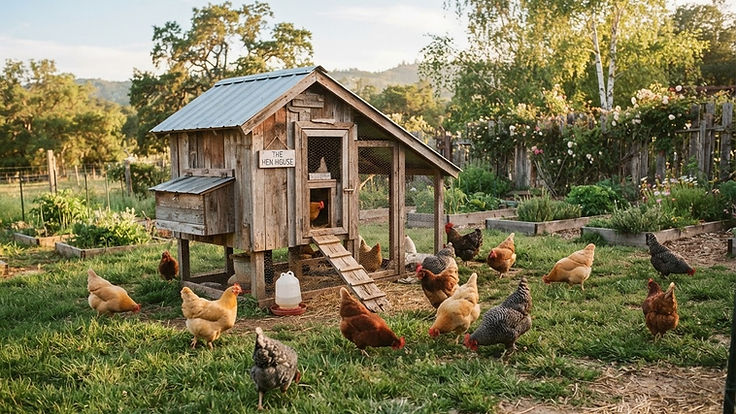
A practical guide to starting a backyard flock — choosing birds, building a predator-proof coop, and the daily rhythm of keeping hens.
A small flock of hens is the heart of many homesteads. They turn kitchen scraps into eggs, scratch up garden pests, and add a daily rhythm of life to the yard. Here is how to start a backyard flock.
Check the rules
Before anything else, check your local ordinances. Many towns allow a small flock of hens but prohibit roosters. Know the limit before you build.
Choose your birds
For a beginner, buy 'pullets' — young hens about to start laying — or a started flock. You will get eggs within weeks rather than waiting months to raise chicks. Good backyard breeds include Rhode Island Reds, Plymouth Rocks, and Orpingtons — calm, cold-hardy, and reliable layers.
Build a secure coop
A coop needs two things: shelter from weather and protection from predators. Allow three to four square feet per bird inside and eight to ten in the run. Essentials:
- A dry, draft-free box to roost in
- Nesting boxes (one per three to four hens)
- A roost bar to sleep on
- Hardware cloth, not chicken wire, on every opening — raccoons and foxes tear through chicken wire
Predator-proof the run
Bury hardware cloth a foot down around the run, or skirt it outward along the ground, to stop diggers. A secure lid stops hawks and climbing predators. Most flock losses happen at night; close the coop door at dusk.
Feed and water
Layer feed (16–18% protein) plus a separate dish of calcium (crushed oyster shell) keeps eggshells strong. Fresh, clean water is essential — hens will not lay well without it. A hanging feeder and waterer keep things clean.
Expect the rhythm
Hens lay best in their first two years, with production dropping in winter as daylight shortens. They are curious, social creatures with personalities. Spend a little time with them each day and you will spot illness early.
A flock is a daily commitment — they need food, water, and a closed coop every single day. In return, you get the best eggs you will ever eat and a homestead that feels alive.